COMMUNITY VOICES
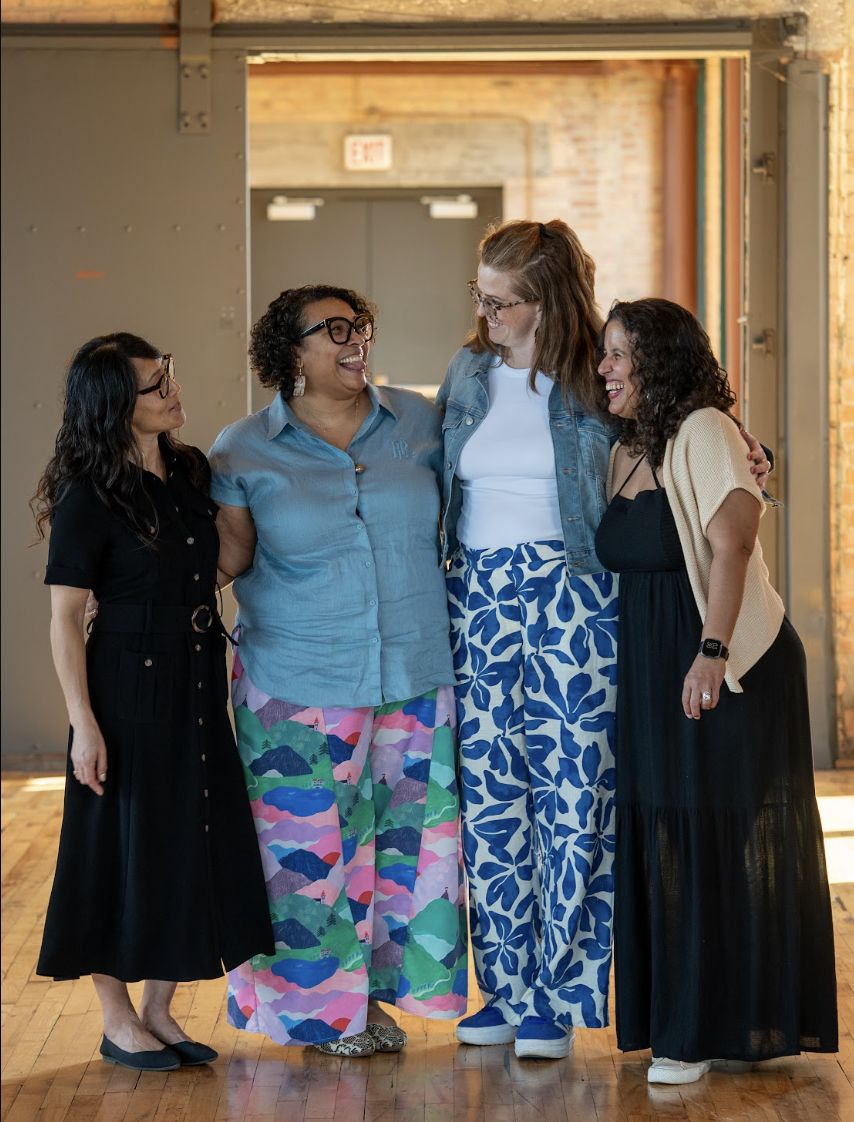
Our network is shaped by the people, relationships, and shared experiences that make this work possible. Community Voices is a space to celebrate the educators, affinity groups, partners, stories, and moments that bring the IL-AGN community to life.
Our Village
This work is strengthened by the people and organizations who believe in it alongside us. Our Village recognizes the community champions, partners, advocates, and collaborators who help amplify the work of IL-AGN and contribute to a larger vision of belonging and equity for educators.
COMMUNITY CHAMPION
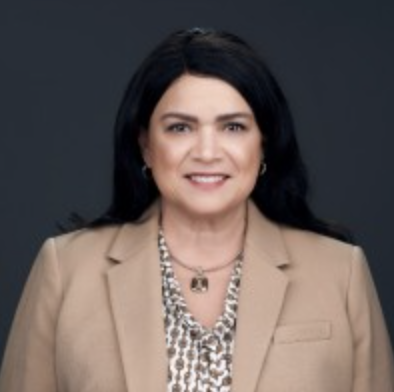
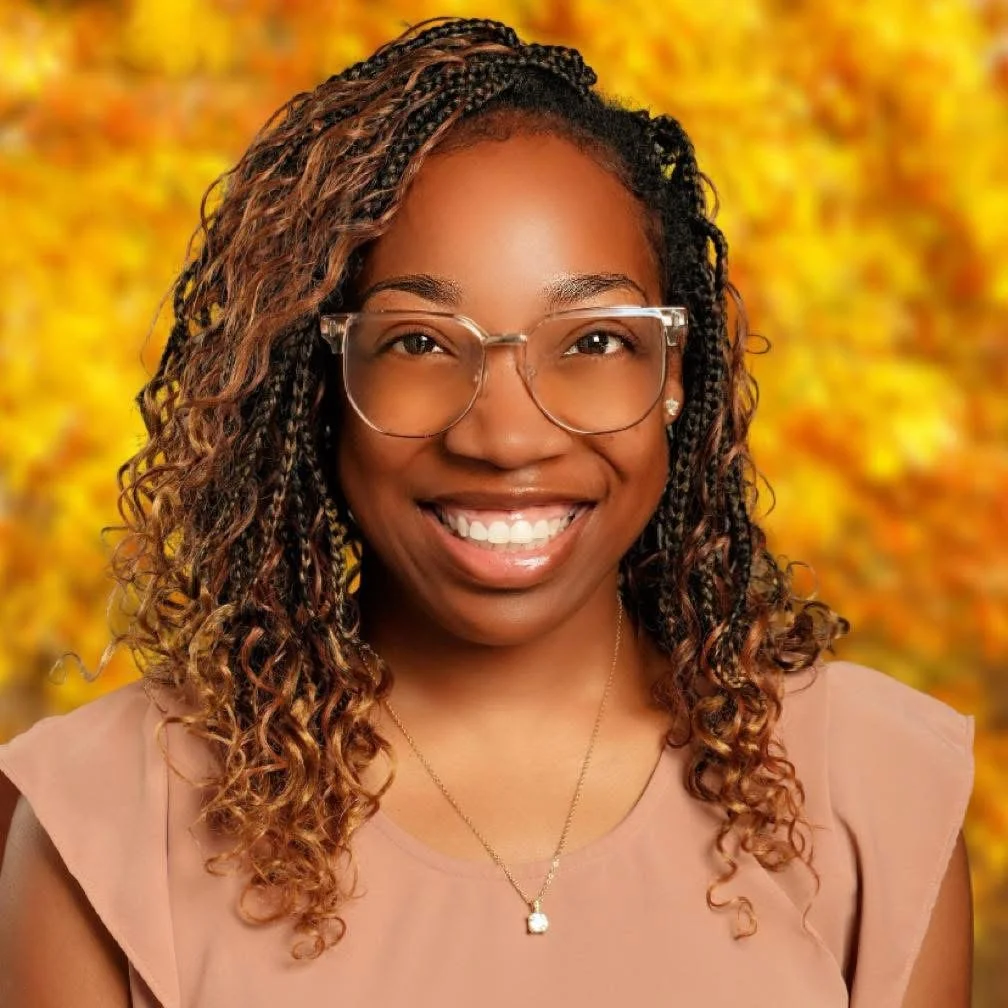
Dr. Carmen Ayala
Advocating for Belonging, Amplifying Our Work
What does it mean to truly belong?
That was the question at the heart of Dr. Carmen Ayala’s time with IL-AGN during our recent retreat. Through stories from her childhood, career in education, and leadership journey, Dr. Ayala invited facilitators to think beyond simply being welcomed into a space and consider what it feels like to know that our presence actually matters there.
Some of Dr. Ayala’s earliest experiences of belonging came through her church community. It was a place where people poured into her, encouraged her, and gave her opportunities to contribute and lead. She wasn’t simply present. She had purpose within the community.
Years later, her experiences in school leadership sometimes felt very different. As one of few, and at times the only one, she learned firsthand that being invited into a space does not always mean experiencing belonging. Expectations could feel different, her leadership could be scrutinized differently, and advocating for herself sometimes required persistence and courage.
Those experiences sharpened an important distinction:
Being present is not the same as belonging.
A person can have a seat at the table and still wonder whether their voice carries weight. Through her own journey, Dr. Ayala learned the importance of finding and using her voice, advocating for change, and refusing to believe that belonging should require leaving pieces of yourself behind.
That message resonated deeply with the affinity group facilitators gathered at the retreat. At their best, affinity spaces can become communities where educators are affirmed, lived experiences are understood, and what each person brings is not simply accepted, but valued and needed.
In a beautiful full-circle moment, Dr. Ayala later shared that she left her time with IL-AGN feeling affirmed, seeing a dream become reality, and feeling part of an incredible community. Her reflection reminds us that belonging is something we create for one another.
As our facilitators continue building affinity spaces across Illinois, Dr. Ayala leaves us with a powerful challenge:
Don’t simply create spaces where people are invited into the room. Create spaces that are different and better because they are there.
A Question for Our Community
What would change in your school, affinity group, or community if everyone knew their presence didn’t just fill a seat, but helped shape the space?
Facilitator Spotlight
Meet the educators helping build, lead, and sustain affinity spaces across the IL-AGN network. Our facilitators bring their experiences, perspectives, and passion to this work, creating spaces where educators can connect, grow, and feel seen. Through Facilitator Spotlight, we celebrate the people behind the work and share a little more about who they are, what inspires them, and the impact they are making within their communities.

Past Voices



Voices from the Community
There is no single IL-AGN story. Across our network, educators and affinity groups are building community, celebrating wins, navigating challenges, and learning alongside one another. Here, we share some of those voices and moments from across the network.